By Stephen Trutter, Ideal Practices
Understand the Business of Dentistry
Build a Comprehensive Business Plan
- Executive Summary: Offer a concise overview of your business objectives and how you plan to achieve them.
- Financial Projections: Include forecasts of revenues, expenses, and profitability over the first few years.
- Market Analysis: Provide insights into your target market and competitive landscape.
Choose the Right Lending Partner
- Experience with Dental Practices: Look for lenders who have a proven track record with dental startups.
- Flexible Loan Terms: Ensure the lender is willing to offer terms that suit the unique financial structure of your practice.
- Relationship Building: Establishing a long-term partnership can be beneficial for future expansions or refinancing needs.
Seek Professional Guidance
- Application Preparation: Professionals can aid in compiling necessary documents, such as business plans and financial projections, making your application more compelling.
- Loan Negotiation: Experts help negotiate better terms based on market insights and their experience.
- Strategic Planning: Long-term strategies can be developed with the help of professionals, ensuring financial stability and growth potential.
Prepare Financially
- Assess Your Current Financial Situation: Evaluate savings, debts, and cash flow to determine what you can afford.
- Maintain Good Credit: Ensure your credit score is favorable, as it greatly influences loan approvals and interest rates.
- Understand Debts: If you have student loans or other debts, consider how they will affect your financial landscape moving forward.
Know the Bank’s Lending Criteria
- Strong Business Plan: A detailed plan demonstrating viability and growth potential.
- Solid Credit History: High credit scores assure lenders of your reliability.
- Adequate Documentation: Prepare all necessary financial and business documents in advance to streamline the application process.
Avoid Common Pitfalls
- Underestimating Startup Costs: Failing to budget adequately can lead to financial strain once your practice is operational.
- Neglecting to Compare Lenders: Not exploring multiple options may result in missed opportunities for better terms.
- Incomplete Documentation: Submitting an application with missing or incorrect paperwork can delay approval.
What Are the SBA Loan Programs Available for Dental Practice Startups?
- SBA 7(a) Loan: Offers lower down payments and manageable terms, making it ideal for startup costs. It provides funding for working capital and equipment purchases.
- CDC/504 Loan Program: This option is beneficial for long-term, fixed-rate financing, particularly for larger capital investments or real estate purchases in your practice.
- Alternative SBA Options: Smaller loans like Microloans or Express Loans can provide quick funding for immediate needs, offering more flexibility for dental professionals.
SBA 7(a) Loan
- Lower Down Payments: Participants can benefit from as low as a 10% down payment, making it accessible for new dentists.
- Longer Repayment Terms: Borrowers can repay the loan over a period of up to 10 years, reducing monthly financial burdens.
- Competitive Interest Rates: Interest rates are generally low compared to traditional loans, making this option economically viable.
CDC/504 Loan Program
- Long-term Fixed-rate Financing: This option typically offers lower long-term interest rates, which can be advantageous for capital investments such as purchasing property or major equipment.
- Lower Down Payments: It often requires lower down payments than conventional loans, making it an attractive choice for new practices.
- Ideal for Larger Investments: This program is specifically structured to support significant investments that can enhance the operational capacity of a dental practice.
Alternative SBA Options
- Microloans: These smaller loans can be quick to obtain, providing flexibility for immediate operational needs.
- Express Loans: Designed for quick processing, Express Loans facilitate urgent funding needs without lengthy delays.
- Small Business Grants: While not loans, grants can provide essential funds that do not require repayment, although they often come with stricter eligibility criteria.
How Does the SBA 7 Loan Support Dental Startup Financing?
- Risk Reduction for Lenders: Lenders are more willing to finance startups knowing that a part of the loan is backed by the government.
- Support for New Growth: Financing through SBA loans allows new dental practices to grow and thrive, even in competitive markets.
- Management of Initial Debt: Startups benefit from manageable repayment terms, ensuring that financial obligations do not overwhelm early-stage operations.
What Are the Eligibility Requirements and Documentation Needed for SBA Loans in Dentistry?
- Credit Score Requirements: Most lenders look for a minimum credit score of around 650 to approve applications.
- Business Plans: A comprehensively developed business plan is critical, outlining your vision and financial projections.
- Documentation Specifics: Be prepared to submit various documents, including personal financial statements, tax returns, and operational plans.
What Credit Qualifications and Financial Documents Are Required?
- Credit Score Importance: A higher credit score indicates financial reliability and increases your chances of loan approval.
- Debt-to-Income Ratios: This measure helps lenders assess your ability to take on additional debt.
- Personal Financial Statements: Detailed financial statements showcase your current financial health and commitment to the practice.
How Does Dental Practice Valuation Affect SBA Loan Approval?
- Valuation Methods Overview: Lenders use various methods like cash flow analysis and market comparisons to assess the value of your practice.
- Impact on Loan Amounts: A higher valuation may result in larger loan approvals, enhancing your funding potential.
- Considerations for Startups: For new practices, demonstrating strong projected growth and cash flow is essential even without a current practice value.
How to Effectively Apply for an SBA 7 Loan for Your Dental Practice?
- Step-by-Step Application Guide: Outline all the required documents and forms to be prepared ahead of time.
- Common Requirements: Ensure that you have comprehensive financial statements, necessary certifications, and a clear business plan.
- Tips for Success: Tailor your application to highlight your unique selling propositions and preparedness.
What Are the Key Steps in the SBA Loan Application Process?
- Preparation Strategies: Gather all requisite documentation prior to starting the application.
- Submission Nuances: Be aware of submission deadlines and ensure completeness to avoid delays.
- Potential Pitfalls to Avoid: Inattentiveness to details can lead to application rejections or delays, so strive for thoroughness.
How Can Dentists Prepare a Successful Loan Package?
- Importance of Documentation: Ensure all documentation is accurate, complete, and professionally presented.
- Effective Packaging Strategies: Highlight your business plan, financial projections, and personal financial statements cohesively.
- Enhancing Application Impact: Including supplemental information that showcases testimonials or community endorsements can make your application more compelling.
Which Are the Best Dental Practice Loan Options in 2026 Beyond SBA Loans?
- Traditional Bank Loans: These might offer competitive rates but can have stringent qualification requirements.
- Private Investors: Involving equity partners can reduce debt load, adding strategic growth potential.
- Credit Unions: Often with member-friendly practices, credit unions can provide more personalized service and potentially lower rates.
What Alternative Financing Strategies Can Dentists Consider?
- Investment Funding Options: Look to venture capital or private equity for growth-oriented funding, often in exchange for equity.
- Creative Financing Solutions: Strategies may include crowd-funding or peer-to-peer lending as viable funding sources with flexible terms.
- Leveraging Credit Options: Credit lines or business credit cards can provide short-term financial relief during initial stages.
How Do These Alternatives Compare With SBA Loan Benefits and Risks?
- Advantages of SBA Loans: Lower down payments, favorable interest rates, and government guarantees enhance their attractiveness.
- Risks Associated with Alternatives: Higher interest rates and the potential for equity dilution are notable trade-offs with private investing.
- Decision Criteria for Funding Choices: Evaluate your practice's growth stage and financial capability when choosing the optimal path.
What Common Financing Pitfalls Should Dentists Avoid When Securing SBA Loans?
- Overlooking Business Plan Quality: A lack of depth in your business plan can signal risk to lenders.
- Underfunding Risks: Budgeting insufficient capital can jeopardize the stability of your practice.
- Importance of Lender Selection: Choosing lenders unfamiliar with dental specifics may lead to unfavorable terms.
How to Avoid Losing Ownership or Control During Financing?
- Negotiation Strategies: Be clear about your ownership expectations when discussing terms with lenders.
- Understanding Loan Terms: Recognize how loan structures may impact ownership rights to maintain control.
- Importance of Financial Planning: Meticulous planning can prevent ownership dilution in negotiations.
What Are Frequent Loan Application Mistakes to Watch For?
- Vagueness in Estimates: Provide clear and substantiated financial figures to avoid doubt from lenders.
- Choosing Inappropriate Lenders: Targeting lenders unsuited for dental practices can lead to rejection.
- Neglecting Personal Financial Health: Personal credit health significantly affects application outcomes; be proactive in managing it.
What Real-World Success Stories Demonstrate Effective SBA Loan Use in Dental Startups?
- Examples of Successful Practices: Review how specific startups leveraged SBA loans to establish thriving practices.
- Lessons Drawn from Real Cases: Analyze common strategies that successful applicants employed to secure loans.
- Impact of Consulting Services: Acknowledging the role of consulting in guiding successful applications can prove beneficial to aspiring dentists.
How Have Dentists Leveraged SBA Loans to Launch Successful Practices?
- SBA Loans as a Tool for Startups: Loans have provided the necessary capital to start new practices with lower initial financial risk.
- Benefits Observed by Dentists: Successes more often surface in practices well-planned in advance, utilizing professional consulting services.
- Strategies Employed: Effective financial planning combined with understanding of the loan process leads to successful outcomes.
What Lessons Can Be Learned from These SBA Loan Success Cases?
- Critical Success Factors: Building robust business plans and preparing thoroughly are essential.
- Common Strategies: Networking and creating strong relationships with lenders can significantly bolster chances for loan approval.
- Adapting Lessons to New Practices: Tailoring these insights to your context enhances the strength of your business proposal.
How Are Recent 2026 Industry Updates Impacting Dental SBA Loan Approvals and Terms?
- 2026 Data Insights: Recent analyses indicate a growing awareness among lenders regarding industry-specific targets, positively influencing SBA loan availability.
- Adjustments in Approval Criteria: More flexible terms and qualifications have emerged, adapting to new industry realities.
- Trends in Loan Structure: A shift towards supporting innovative healthcare practices can redefine how traditional loans are structured.
What Are the Latest SBA Loan Approval Statistics for Healthcare and Dental Startups?
- Current Statistics: Recent data demonstrates increasing approval rates for SBA loans, reflecting confidence from lenders within the dental sector.
- Comparison with Previous Years: Trends show an improvement in access to financing options over prior years, benefiting new dental startups.
- Factors Influencing Statistics: Economic conditions and policy changes play a significant role in shaping loan availability and terms.
How Has Remote SBA Loan Application Changed the Process for Dentists?
- Remote Application Benefits: Streamlined processes and reduced travel requirements have made it easier for dentists to submit applications.
- Challenges Faced: However, there can be complexities in ensuring that all documents are accurate and submitted in a timely manner.
- Future Outlook for Remote Processes: As technology continues to evolve, remote platforms may offer even greater efficiencies in the financing landscape.
What Expert Guidance and Consulting Services Can Assist Dentists in Navigating SBA Loan Financing?
- Overview of Consulting Services: Many consultants specialize in healthcare financing, providing tailored expertise for dental practices.
- Benefits of Expert Guidance: Strategies developed collaboratively can help avoid common pitfalls in financing applications.
- How to Find the Right Consultant: Seek referrals from industry peers or professional associations to identify qualified consultants.
How Can Consulting Protect Financial Stability and Ownership?
- Risk Mitigation Strategies: Advisory services can help identify potential financial risks and develop strategies to address them pre-emptively.
- Role of Consultants: Experienced consultants play a vital role in navigating complex financial landscapes, ensuring your interests remain protected.
- Long-term Business Continuity: Through effective financial planning, consultants can help you maintain ownership and ensure sustainable growth for your dental practice.
What Resources and Tools Support Dentists Through the Loan Application Journey?
- Available Tools for Preparation: Use online calculators and templates specifically designed for dental practice financing to aid in planning.
- Consulting Resources: Online directories can help connect you to experienced financial consultants specializing in healthcare.
- Educational Materials: Numerous webinars and workshops exist to educate prospective dental practice owners about financing strategies.

Post by Stephen Trutter
Jun 18, 2026, 9:00:02 AM
Jun 18, 2026, 9:00:02 AM
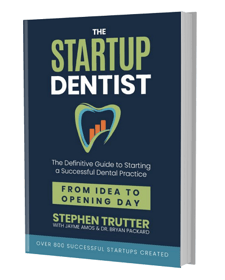
Stephen Trutter is the CEO of Ideal Practices and author of The Startup Dentist. He has helped more than 900 associate dentists launch their own practices and hosts The Startup Dentist Podcast. His approach puts vision first, and his only agenda is helping dentists make the right decision for their future.