You have spent years in dental school, built your clinical skills as an associate, and now you are ready to take the leap into ownership. But between the excitement of designing your dream practice and the reality of funding it, there is one question that stops most dentists in their tracks: how do I actually pay for this?
Understanding your dental practice financing options is the single most important step you can take before signing a lease, ordering equipment, or hiring your first team member. The decisions you make about financing will shape your monthly overhead, your cash flow in year one, and your long-term profitability. Getting it right matters more than almost anything else in the startup process.
Whether you are planning a ground-up startup or evaluating a dental practice acquisition, this guide breaks down the financing landscape in 2026 so you can approach lenders with confidence, compare your options clearly, and choose the path that fits your vision and your budget.
Key Takeaways
- Most dental startups in 2026 require between $650,000 and $950,000 in total financing, depending on location, size, and scope.
- SBA 7(a) loans remain one of the most popular dental practice financing options due to low down payments and favorable repayment terms.
- Specialty dental lenders often offer faster closings and more flexible underwriting than traditional banks, making them strong alternatives for first-time owners.
- Equipment financing can be layered on top of your primary loan to preserve working capital during your first year of operations.
- A well-prepared business plan is not optional. It is the foundation lenders use to evaluate your application and determine your loan amount.
- Starting your financing process 6 to 9 months before your target opening date gives you the best chance of securing favorable terms without delays.
How Much Financing Do You Actually Need to Open a Dental Practice?
One of the first questions every associate dentist asks is "how much is this going to cost?" The honest answer is that it depends, but there are reliable ranges you can plan around.
For a dental startup in 2026, total project costs typically fall between $650,000 and $950,000. That range covers construction and buildout, dental equipment and technology, initial marketing and branding, furniture, signage, insurance, legal fees, and working capital to cover your first few months of overhead before revenue catches up.
Where you land in that range depends on several factors. A three-operatory general dentistry office in a smaller market will cost significantly less than a six-operatory specialty practice in a major metro area. The condition of your space matters too. A vanilla shell buildout costs less than converting a retail space that needs extensive plumbing and electrical work.
The important thing is to get specific about your numbers early. Vague estimates lead to underfunding, which is one of the most common and most dangerous mistakes new owners make. If you are still in the planning stages, the 12-month ownership blueprint can help you map out a realistic timeline and budget before you ever talk to a lender.
SBA 7(a) Loans for Dental Practices: Pros, Cons, and How to Qualify
The SBA 7(a) loan is the most widely used government-backed loan program for dental practice startups and acquisitions. It is not a loan directly from the Small Business Administration. Instead, the SBA guarantees a portion of the loan issued by a participating bank, which reduces the lender's risk and opens the door to more favorable terms for borrowers.
For dentists, the appeal of an SBA loan for dental practice purchases or startups comes down to three things: lower down payments (often 10 percent), longer repayment terms (up to 10 years for most practice loans), and competitive interest rates. These features make monthly payments more manageable during the critical early months when your practice is still growing.
The tradeoffs are worth understanding. SBA loans involve more paperwork, longer processing times (typically 60 to 90 days), and strict documentation requirements. You will need a solid business plan, personal financial statements, tax returns, a detailed use-of-funds breakdown, and sometimes a personal guarantee. The application process can feel overwhelming, especially for first-time borrowers who are also managing construction timelines, equipment orders, and credentialing.
To qualify, most SBA lenders look for a credit score of 680 or above, a reasonable debt-to-income ratio, and evidence that you have the clinical experience to run a successful practice. Student loan debt, which most dentists carry, does not automatically disqualify you, but lenders will factor your monthly loan payments into their analysis.
Traditional Bank Loans vs. Specialty Dental Lenders
Not all dental practice loans come from the same type of institution. Understanding the differences between traditional banks and specialty dental lenders is critical when evaluating your dental practice financing options.
Traditional banks, including large national banks and regional community banks, offer standard commercial lending products. They may or may not have experience with dental-specific projects. Their underwriting criteria tend to be rigid, and the process can be slower if your loan officer is not familiar with the economics of a dental startup.
Specialty dental lenders, on the other hand, focus exclusively on financing dental practices. Companies in this space understand the unique revenue model of dentistry, the typical ramp-up period for a new office, and the equipment and real estate needs specific to the industry. Because of that expertise, they often offer faster approvals, more flexible terms, and a streamlined process tailored to dentists.
Here is a general comparison to help you evaluate the two paths:
|
Feature |
Traditional Bank Loan |
Specialty Dental Lender |
|
Down payment |
15 to 20 percent typical |
0 to 10 percent possible |
|
Approval timeline |
45 to 90 days |
30 to 60 days |
|
Industry knowledge |
Varies widely |
Deep dental expertise |
|
Interest rates |
Competitive but varies |
Competitive, often fixed |
|
Flexibility on startup loans |
Often limited |
More open to startups |
|
Paperwork volume |
High |
Moderate |
|
Relationship/local support |
Strong with community banks |
Varies by lender |
The best lenders for dentists are the ones who understand your specific situation. Some dentists find that a combination of a primary lender for the bulk of their financing and a separate equipment financing arrangement gives them the most flexibility. Others prefer the simplicity of a single lender handling everything.
At Ideal Practices, we help dentists compare lenders, understand term sheets, and negotiate from a position of knowledge. Our 13-stage consulting process includes dedicated financing guidance as a core part of the startup journey.
Equipment Financing: What It Covers and When to Use It
Equipment financing is a separate category of lending that allows you to purchase dental equipment without tying up your primary loan or your cash reserves. The equipment itself serves as collateral, which means lenders face less risk and can often approve these loans quickly with minimal hassle.
For a dental startup, equipment financing can cover chairs, X-ray units, digital sensors, intraoral scanners, sterilization equipment, compressors, and sometimes even practice management software. The terms typically run 5 to 7 years with fixed interest rates, and approval can happen in as little as a few days.
The question of when to use equipment financing comes down to strategy. If your SBA loan or primary loan already covers your full equipment budget, you may not need a separate equipment loan. But if you want to preserve working capital, keep your primary loan amount lower, or upgrade to higher-end equipment without stretching your main financing package, a dedicated equipment loan can be a smart move.
One thing to keep in mind is that adding another monthly payment increases your total debt service. Run the numbers carefully and make sure your projected cash flow can handle all of your loan obligations comfortably, including rent, payroll, supplies, and personal expenses. The business systems that drive profitability in your first year play a direct role in how quickly you can cover those obligations and start building margin.
How Your Business Plan Affects Loan Approval
Your business plan is not just a formality. For lenders, it is the document that determines whether your loan gets approved, how much you qualify for, and what terms you receive.
A strong dental practice business plan should include a clear executive summary describing your practice vision, a market analysis showing patient demand in your target area, a detailed financial projection covering at least three years, a breakdown of how loan funds will be used, your personal financial statement and clinical background, and a realistic timeline for opening and reaching profitability.
Lenders want to see that you have thought through the details. They want to know you understand your overhead, your expected patient volume, your fee schedule, and your breakeven point. Vague or overly optimistic projections raise red flags, while conservative and well-supported numbers build confidence.
The business plan is also where your financing story comes together. If you are seeking an SBA loan for dental practice startup funding, your plan needs to meet the SBA's specific documentation requirements. If you are approaching a specialty dental lender, your plan should highlight the metrics they care about most, like collections per operatory and patient acquisition costs.
Getting your business plan reviewed by someone who has been through the process hundreds of times makes a significant difference. The team at Ideal Practices works with associate dentists to build business plans that lenders take seriously, because our startup consulting process is built around the exact milestones that lead to funded, profitable practices.
Timeline: When to Apply for Financing in Your Startup Process
Timing matters more than most new owners realize. Applying too early means you may not have the supporting documents you need. Applying too late puts your entire construction and opening timeline at risk.
The ideal window to begin the financing process is 6 to 9 months before your target opening date. This gives you enough time to prepare your business plan, gather financial documents, compare lenders, submit applications, navigate underwriting, and close your loan before you need funds for construction deposits, equipment orders, and lease payments.
Here is a general timeline of how financing fits into the broader startup process:
12 months before opening: Begin building your vision, researching locations, and preparing your financial picture. This is the time to pay down high-interest debt, build liquidity, and start assembling your advisory team.
9 months before opening: Finalize your business plan, begin conversations with lenders, and get pre-qualified. This is also when you should be locking down your location and beginning lease negotiations.
6 months before opening: Submit formal loan applications, complete underwriting, and aim to close your financing. Construction and equipment orders should begin once funding is secured.
3 months before opening: Funds are deployed toward buildout, equipment installation, team hiring, and pre-opening marketing. Your financing should be fully in place by this stage.
If you are still trying to figure out where you are in the process, the how to prepare for dental startup ownership guide walks through the key preparation steps in detail.
Ready to Explore Your Dental Practice Financing Options?
Financing a dental startup or acquisition does not have to be confusing. With the right plan, the right advisors, and a clear understanding of your options, you can secure the funding you need to build a practice that reflects your vision and supports the life you want.
Ideal Practices has helped over 900 associate dentists navigate every stage of the startup process, including financing. Whether you are still weighing your options or ready to start building your business plan, our team is here to help.
Schedule your free Ownership Clarity Call today:
Phone: (888) 262-0712
Online: Book your free consultation
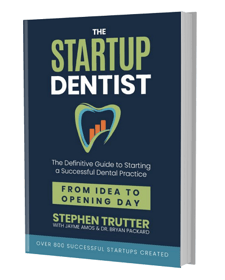
You can also grab a free copy of The Startup Dentist, the 200+ page book that over 2,000 dentists have used to plan their path to ownership.
Frequently Asked Questions About Dental Practice Financing Options
What credit score do I need to get a dental practice loan?
Most lenders look for a credit score of 680 or higher when approving a dental practice loan. Some SBA lenders may work with scores in the 650 range if the rest of your application is strong, including a solid business plan, good debt-to-income ratio, and sufficient liquidity. A higher score generally means better interest rates and more favorable repayment terms.
Can a new dentist with no practice history get a startup loan?
Yes. Many lenders, particularly those specializing in dental practice financing, approve startup loans for dentists who have never owned a practice before. Instead of requiring a revenue track record, these lenders evaluate your dental degree, clinical experience, personal credit profile, and the quality of your business plan. Ideal Practices has helped over 900 associate dentists secure funding for startups and acquisitions across the country. Call (888) 262-0712 to learn how we can help you.
How long does it take to get approved for a dental practice loan?
Approval timelines vary depending on the loan type and lender. SBA 7(a) loans typically take 60 to 90 days from application to closing due to the additional government-backed documentation. Conventional bank loans and specialty dental lenders can often close in 30 to 45 days. The most common cause of delays is an incomplete application, so having your business plan, financial statements, and tax returns organized before you apply makes a meaningful difference.
Should I use an SBA loan or a conventional loan for my dental practice?
The right choice depends on your financial situation and goals. SBA 7(a) loans offer lower down payments (often around 10 percent) and longer repayment terms, which keep monthly payments manageable during the early growth phase. Conventional loans may close faster and involve less paperwork but typically require 15 to 20 percent down. Ideal Practices helps dentists compare both options side by side so you can choose the financing path that best fits your startup or acquisition plan.
How much does it cost to open a dental practice in 2026?
Total startup costs for a dental practice in 2026 generally range from $650,000 to $750,000, depending on your location, office size, number of operatories, and the level of equipment and technology you choose. This figure includes buildout, equipment, initial marketing, insurance, legal fees, and working capital. Getting accurate estimates early in the process is essential for securing the right amount of financing and avoiding underfunding.
Do dental practice lenders require a down payment?
Down payment requirements depend on the lender and loan type. SBA 7(a) loans may require as little as 10 percent down. Conventional bank loans typically require 15 to 20 percent. Some specialty dental lenders offer zero-down or low-down-payment options for highly qualified borrowers. Ideal Practices can help you identify which lenders offer the most competitive terms for your specific situation. Reach out at (888) 262-0712 to start the conversation.
Can I finance a dental practice acquisition differently than a startup?
Yes. Dental practice acquisition financing often carries different terms than startup financing because the existing practice has an established revenue history, active patient base, and tangible assets that lower the lender's risk. This can translate to lower interest rates, smaller down payment requirements, and faster approval timelines. Ideal Practices offers dedicated acquisition consulting to help dentists evaluate, fund, and transition into existing practices with confidence.

Mar 5, 2026, 9:01:33 AM